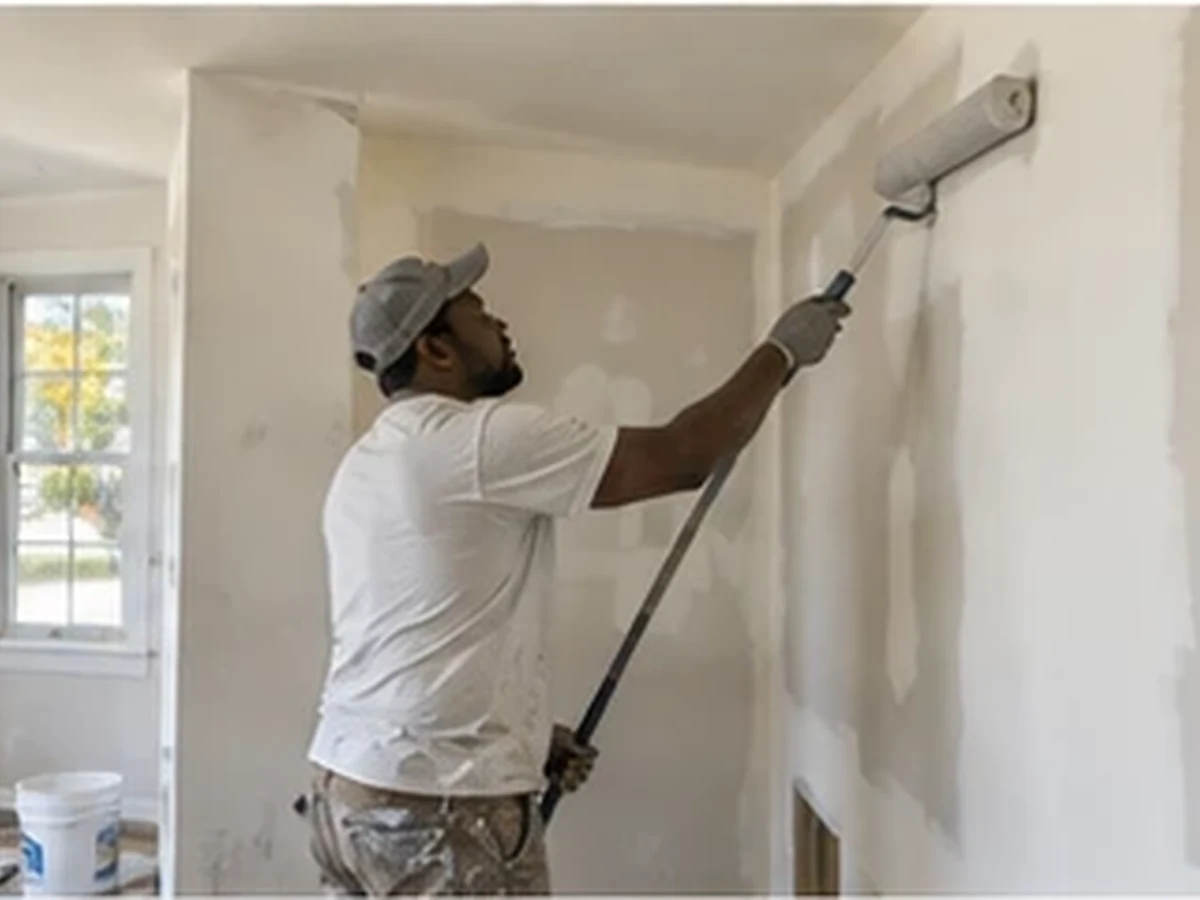
Drywall and Interior Finishing
Cracked, patched or rough walls and ceilings repaired and finished to a level written into the price, so the room finally looks done.
What this work involves
Homeowners renovating, and anyone whose previous contractor left the surfaces rough.
- Seams and fasteners visible under the paint
- Repairs that show as flat patches on a textured wall
- Textured ceilings you want taken back to smooth
- A room where the paint is fine and the wall is not
Step 1
We agree the finish level in writing, because that is what the price and the appearance both come from.
Step 2
Board is hung where new surfaces are needed, with the right thickness and type for the location.
Step 3
Taping and coats with drying and sanding between them, which is where the schedule goes.
What Changes the Price
Area and the finish level specified
What Changes the Price
New board against repair and skim
What Changes the Price
Texture removal, which is slower and messier than people expect
What bothers people about wall repair
That the repair shows every time the light hits the wall.
The finish level is agreed in writing, because the price and the appearance both come from it. The wall is primed and looked at under working light before painting starts.
That the crew rushes the coats to finish in one visit.
Each coat has to dry before the next, and in a humid house that is slower, not faster. A crew that finishes in one visit has compressed coats that should not be compressed, and those are the seams that show a year later.
That sanding dust ends up in every room.
Sanding joint compound is the dusty step in wall repair. Floors in the work area are covered, the dust is controlled, and the room is usable again at the end of every day, as our job standards set out.
Drywall and the DC Summer
July highs here run about 89 to 90 degrees with high humidity, and joint compound dries slower in humid air. A summer finishing job needs the drying time left in the schedule, not squeezed out of it. If the wall is getting paint next, see interior painting.
Get those walls priced
- We look at the cracks, seams or texture for free
- The finish level you are paying for is named in writing
- Paint after the repair can go on the same quote
Describe the damage by phone:
(240) 695-4415Wall Repair Estimate
We take insurance jobs. Financing may also be available for qualifying projects. Ask when you call.
How wall repair runs
- 1We agree the finish level in writing, because that is what the price and the appearance both come from.
- 2Board is hung where new surfaces are needed, with the right thickness and type for the location.
- 3Taping and coats with drying and sanding between them, which is where the schedule goes.
- 4Skimming or texture matching where the job calls for it.
- 5Priming, and a look under working light before painting starts.